


Best Cat Litter for Automatic Litter Boxes: What to Look For
Share
Automatic litter boxes are a game-changer for busy cat owners. No more daily scooping — just set it and let the machine do the work. But here's the catch: not all cat litter works well in automatic boxes. Use the wrong type and you'll deal with stuck clumps, jammed rakes, and a mess to clean up anyway.
If you've invested in an automatic litter box (or you're thinking about getting one), choosing the right litter is just as important as choosing the right machine. Here's what you need to know.
Why Litter Choice Matters for Automatic Boxes
Automatic litter boxes work by raking, sifting, or rotating the litter to separate waste from clean litter. For this to work properly, the litter needs to:
- Clump hard enough to survive the rake without breaking apart
- Not stick to the box bottom or the rake mechanism
- Be the right granule size to pass through the sifting mechanism
- Produce minimal dust — dust gets into the motor and sensors, causing malfunctions over time
If your litter doesn't meet these requirements, you'll end up with smeared waste, clogged mechanisms, and a machine that needs constant cleaning — defeating the whole purpose.
What to Look For
1. Hard-Clumping Formula
This is the #1 requirement. The litter must form solid, tight clumps that hold together when the rake passes through. Soft or crumbly clumps will break apart, leaving pieces behind and creating odor.
2. Non-Stick Performance
Litter that sticks to the bottom of the box is a nightmare with automatic boxes. The rake can't scrape it off, so it builds up over time. Look for litters specifically designed to be non-stick.
3. Fine to Medium Granule Size
Most automatic boxes are designed for granules between 0.5mm and 4mm. Too fine (like sand) and it falls through the sifter. Too large (like pellets) and it won't sift properly. Check your machine's recommendations.
4. Low Dust
Dust is the enemy of any machine with moving parts. It coats sensors, clogs mechanisms, and reduces the lifespan of your automatic box. Choose a litter rated 99%+ dust-free.
5. No Clay Litter (Usually)
Most automatic box manufacturers explicitly warn against using clay litter. It's heavy, dusty, and the clumps can cement to the rake. Some high-end models can handle it, but it's generally not recommended.
Litter Types Compared for Automatic Boxes
| Litter Type | Clumping | Non-Stick | Dust Level | Granule Size | Automatic Box Compatible? |
|---|---|---|---|---|---|
| Clay (clumping) | Good | Poor — sticks | High | Medium | ⚠️ Not recommended |
| Silica / Crystal | None | N/A | Low | Large | ❌ Won't clump |
| Pine Pellets | None | N/A | Low | Large | ❌ Won't sift |
| Tapioca (cassava) | Excellent | Excellent | Very low | Fine-medium |
Common Problems and How to Solve Them
Problem: Clumps stick to the rake
Cause: Litter is too sticky or clumps are too soft Solution: Switch to a hard-clumping, non-stick litter. Tapioca-based litters are ideal because clumps lift clean without adhering to surfaces.
Problem: Litter gets stuck in the sifting mechanism
Cause: Granules are too small or too dusty Solution: Use a litter with consistent granule size and low dust. Avoid fine sand-like litters.
Problem: Sensor malfunctions
Cause: Dust coating the sensors Solution: Switch to a 99.9% dust-free litter and clean the sensors monthly with a soft cloth.
Problem: Odor between cycles
Cause: Clumps break apart during raking, leaving waste behind Solution: Use a harder-clumping litter that survives the rake cycle intact.
Tips for Using Automatic Litter Boxes
- Fill to the right level — Most machines recommend 2–3 inches. Overfilling causes clumps to stick to the rake; underfilling means waste isn't fully covered.
- Clean the machine monthly — Even with the right litter, residue builds up. Wipe down the rake, sensors, and base with a damp cloth.
- Don't mix litter types — Mixing different litters can cause clumping issues and confuse the sifting mechanism.
- Replace the waste drawer liner regularly — A full or torn liner leads to leaks and odor.
- Monitor your cat's behavior — Some cats are nervous about automatic boxes at first. Leave your old box nearby during the transition.
Why G&S Pet Litter Works Well in Automatic Boxes
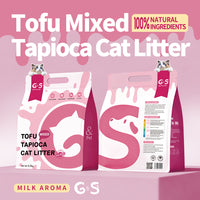
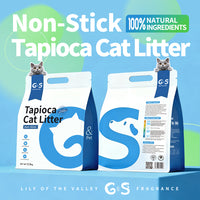
G&S Pet tapioca and tofu cat litters are designed to perform in both standard and automatic litter boxes:
- Hard-clumping, non-stick formula — Clumps form tight and lift clean, so the rake passes through without smearing or sticking
- 99.9% dust-free — Protects your machine's motor and sensors from dust buildup
- Fine-to-medium granules — Compatible with most sifting mechanisms
- Lightweight — Easier on the rake mechanism than heavy clay litter
- Low tracking — Less litter scattered around the box area
Whether you use a Litter-Robot, PetSafe ScoopFree, or any other automatic box, plant-based clumping litter like G&S Pet gives you the best combination of performance and machine compatibility.
All G&S Pet litters are plant-based and biodegradable. Please dispose of used litter according to your local waste-sorting guidelines — do not flush it.